|
June 30, 2026 – Preserving soil health, enhancing vegetation and creating healthy habitat are top priorities for the
construction and compliance teams working on Power Company of Wyoming LLC’s wind power project and TransWest Express
LLC’s transmission line project.
Two of their industry-leading reclamation and vegetation management projects were selected by the American Society for
Reclamation Sciences to be featured at its June 2026 annual meeting held at the University of Wyoming in Laramie.
- “Reclamation and noxious weed control on a large-scale wind energy project.” This presentation described the
companies’ years of work, in coordination with the Bureau of Land Management and other partners, to control and prevent
noxious and invasive weeds, such as cheatgrass, and to reclaim construction-disturbed areas with native vegetation.
Reclamation is being achieved through both novel techniques and proven approaches to topsoil management, seed mixture
composition, seeding practices and weed treatments. Through data and photos, the presentation showed how PCW’s wind
project site is demonstrating successful reclamation of resilient and self-reproducing native vegetation communities,
even in dry, high-desert sagebrush ecosystems.
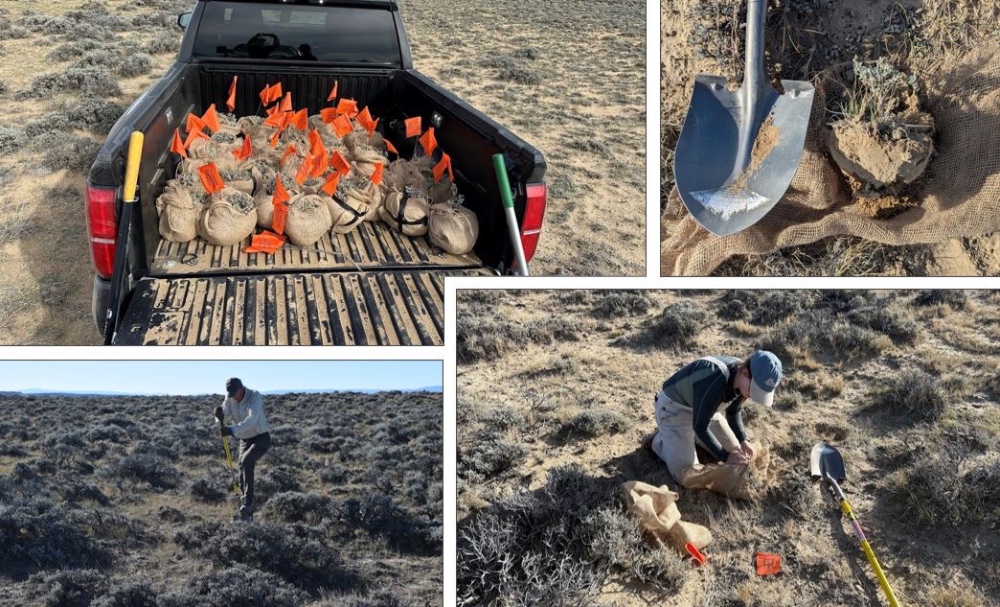
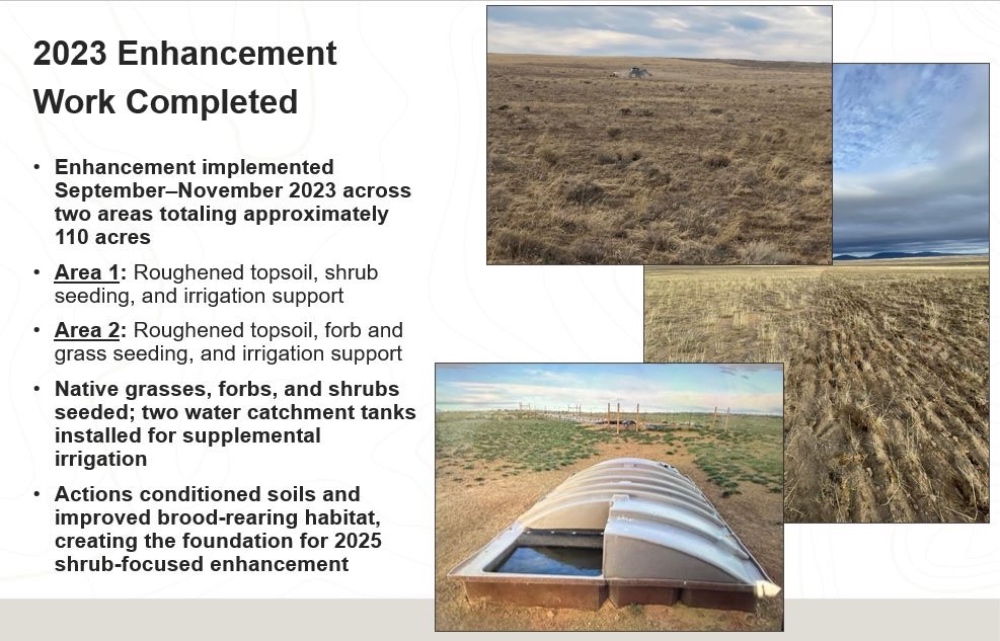
- “Restoring Big Sagebrush Islands with Wildling Plantings and Microtopography to Enhance Sage-Grouse Habitat.” This
presentation showed how a portion of former dryland cropland, unused by sage-grouse, is being transformed into healthy
sagebrush habitat that sage-grouse can use – part of the conservation and mitigation commitments made by PCW and
TransWest. Wyoming big sagebrush is generally more difficult to establish compared to other big sagebrush species.
Traditional methods for enhancement, such as seeding or planting container plants, yield variable results. However,
transplanting young shrubs (1-2 years old), called “wildlings,” from local sites into the restoration area is showing
high survival and recruitment rates. The 4- to 9-inch-tall wildling plantings are re-establishing big sagebrush islands
and enhancing sage-grouse habitat. Subsets of the wildlings are being closely studied with microtopography treatment,
which measures how very small changes in landscape conditions can contribute to plant success.
Both presentations were delivered by Dr. Nathan Wojcik, principal restoration ecologist at SWCA Environmental
Consultants (SWCA), on behalf of PCW and TransWest. Both companies have relied upon SWCA’s team of scientists and
technical expertise throughout the projects’ development to ensure the projects’ environmental impacts are avoided,
minimized and mitigated to the extent practical.
“Our team continues to develop innovative technical programs that deliver measurable, meaningful results. We are proud
to share our reclamation successes at this important forum,” said Kelly Cummins, executive vice president of land,
environment and operations for PCW and TransWest and co-author of the two papers presented at the conference.
“Everything we do is backed by sound science to assure our energy projects happen in concert with environmental and
wildlife protection.”
- XXX -
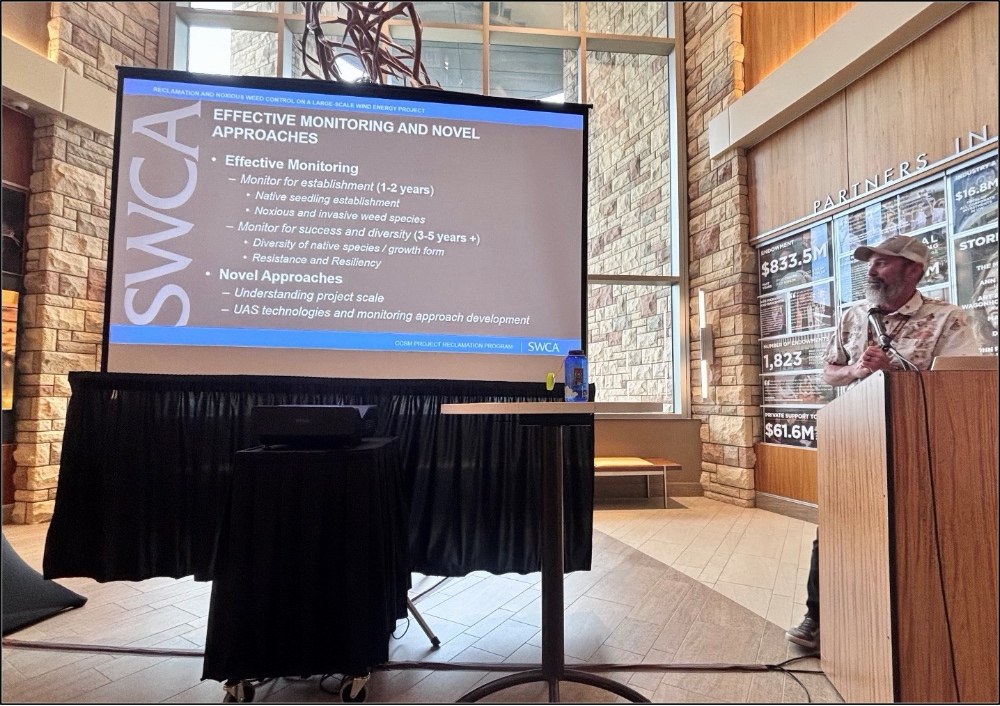 Dr. Nathan Wojcik presenting about PCW and TransWest’s reclamation projects and successes at the 2026 American Society
for Reclamation Sciences annual meeting. Dr. Nathan Wojcik presenting about PCW and TransWest’s reclamation projects and successes at the 2026 American Society
for Reclamation Sciences annual meeting.
These presentation pictures highlight some of the reclamation successes:
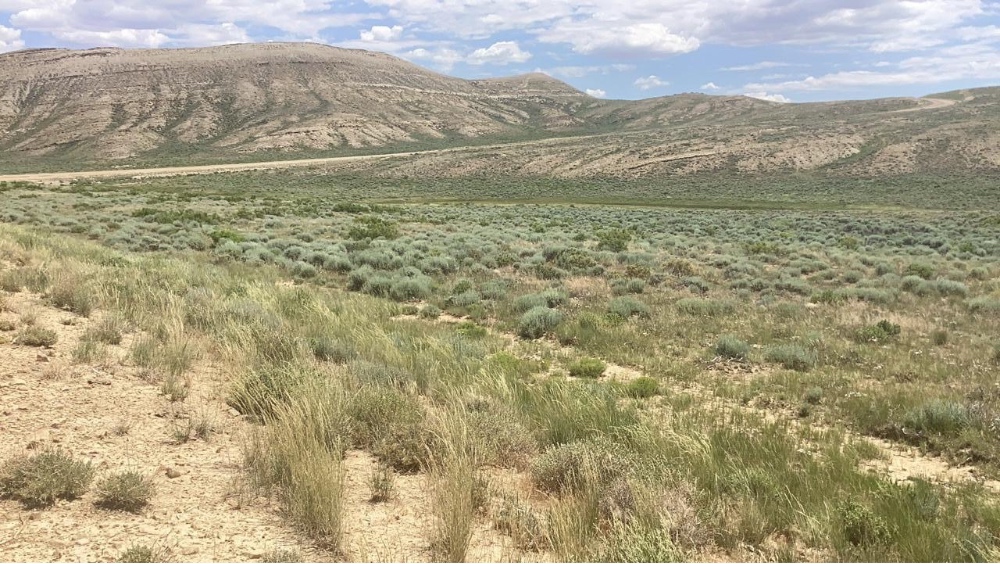
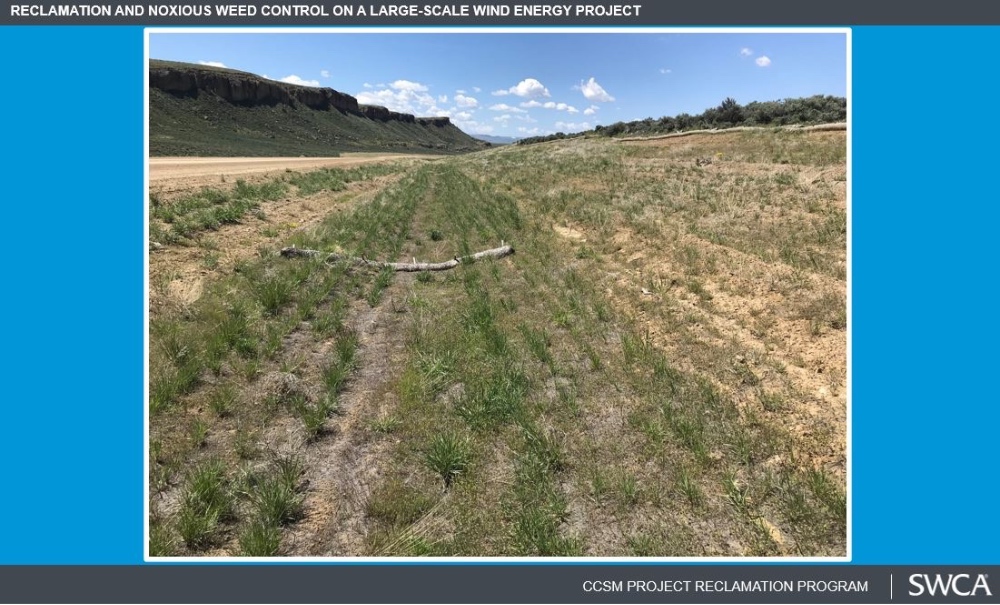
These presentation pictures highlight the former cropland transformation, including transplanting “wildling” Wyoming big
sagebrush:
|